
Lucus
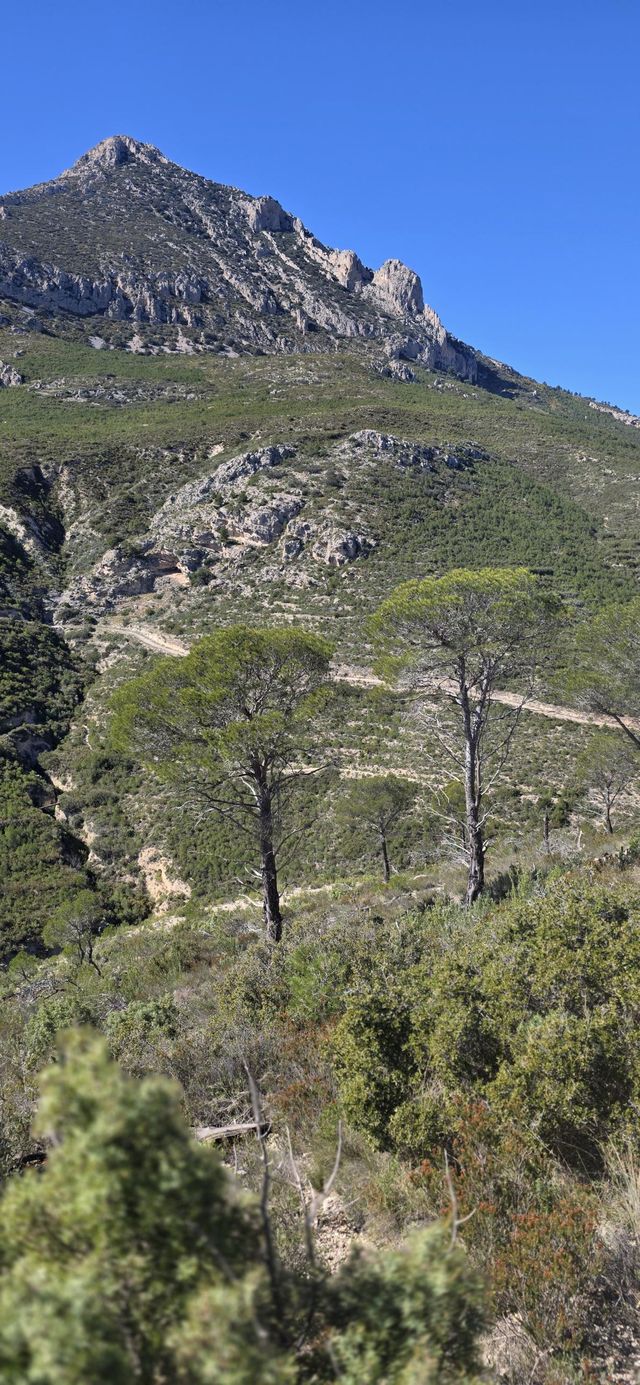
In Latin, lucus means a sacred grove. The word is associated with an ancient root linked to light: the clearing in the forest where light breaks through.
From this comes our principle: Lux in Natura.
Around 240 BC, a law carved in stone at Spoleto forbade cutting or removing wood from a lucus. Whoever broke it had to offer an ox to Jupiter and pay a fine.
Protecting a natural place by law is not a new idea. Requiring human presence to improve it, and proving it, is.
LUX IN NATURA
Luxury can no longer be judged only by what it offers. It must also answer for what it leaves behind.
When it leaves a negative ecological footprint, it can become the object of scrutiny, public criticism and social rejection. The question is not only how much it consumes, but whether it can show that it gives more than it takes.
At Lucus, human presence is only admissible if the territory gains a net ecological surplus, verifiable against what would have happened without the system, once the full burden the system itself creates has been accounted for.
Not doing harm is not enough. The condition is improvement.
THE SYSTEM
Lucus is built on three inseparable elements:
- Lucus · the territory under active stewardship
- Refugium · the minimal material condition that makes presence possible
- Observatorium · the place of observation and knowledge of the territory
The Refugium is not accommodation: it is a base for stewardship, minimal and reversible.
In the Observatorium, the observation of the Custodes becomes knowledge and the memory of the territory.
None of the three stands on its own. They exist only as parts of stewardship.